Understanding the textile conundrum
September 28, 2026 · 4 min read
It is good to acknowledge we are all textile consumers and thus contributing to some of the textile industry’s environmental footprint. Once we understand that, we move beyond guilt and can deliberately work on reducing our intention-behaviour gap, which is admittedly also affected by our financial means, circumstances and opportunities. There is no single solution, but many small changes can have a big impact. What if we supported each other to understand more of textile and the textile industry? Would that knowledge give us more to draw on to deflect textile from landfill?
Around the same time I started my research into the textile industry to set up Weebill Online, a couple of fashion journalists with many years first hand experience of the fashion industry, launched a blog. They felt compelled to do so after recognising that fashion journalism is also a driver of fast fashion. Amy Miles and JD Shadel have been doing a great job reporting on the good, the bad, and the angst related to the textile industry at anxiety.eco. Unfortunately, they have now gone on a likely permanent hiatus due to lack of funding. The same problem crops up again and again in the textile industry. Disposal culture and its friend overproduction are normalising a warped value perception, which in turn impacts our willingness to pay fair prices for goods, services and advocacy. We know something is wrong, because how can a t-shirt cost less than a cup of coffee?
Late 2025, the Forbes magazine wrote a follow-up on the “True Cost” textile industry documentary published in 2015 on YouTube. Despite many regulatory changes and efforts at certification, it is still not a good news story. Global textile production is increasing, but an estimated 21% (including 40% of all new garments) of it is going to waste. Australians are the world’s second highest textile consumers. On average each person discards one large travel suitcase full, 32kg, of textile per year.
Unfortunately, investment in textile to textile recycling is globally woefully inadequate. To make matters worse, fibre blends are the most complex to recycle, and about 60% of garments are now either polyester or polyester blends. Yes, some of these are "recycled fibre", but it is fibres manufactured from recycled plastic bottles. Not textile recycled to textile. As the one Patagonia spokes person said, recycling does not make the textile/garment green, only less brown. This is the moment you realise that if most textiles contain recycled plastic, and around 40% of all new clothing is never worn before it is discarded, plastic is ending up right where it was supposed to be deflected from - landfill. It is a growing problem, so we really can’t wait for investors, or governments to take the initiative. It needs to be a personal mission.
I admit small projects may seem insignificant, really just a little Weebill invisible against the backdrop of mountains of waste, but every little bit deflected from landfill, helps to decrease the demand for new products. If we stop excess production, we reduce the environmental impact (from habitat destruction to pollution), waste colonialism and financial waste. And the more of us do it, the greater our impact to ultimately reduce manufacturing itself.
To start, we can repair, upcycle, make different buying decisions to deflect textile from landfill.
I invite you to visit our second hand clothing listings with a curated collection of pre-loved, but too good for landfill, clothes and homewares. It could be anything - high impact fast fashion textiles, locally made, upcycled, or brand new clothes that were intercepted on the way to landfill.
Which brings me to the next thing. Yes, of course we can donate. Besides the usual charities that accept clothing, there are also charities that need makers of specific items (like bags, baby clothing, sanitary pads, bibs, dog blankets and more) which provide great opportunities to use up fabric remnants. Please consider our listings of textile stock or remnant fabric, and patterns, for your next project. All of it isl textile already in circulation.
If sewing or thrifting is not your thing, cast your eye over our upcycled and handmade artisan collection featuring new, handmade or fun goodies. Buy from makers that use our resources. It all adds up. It all contributes to a great outcome for people and the environment.
Shop this post
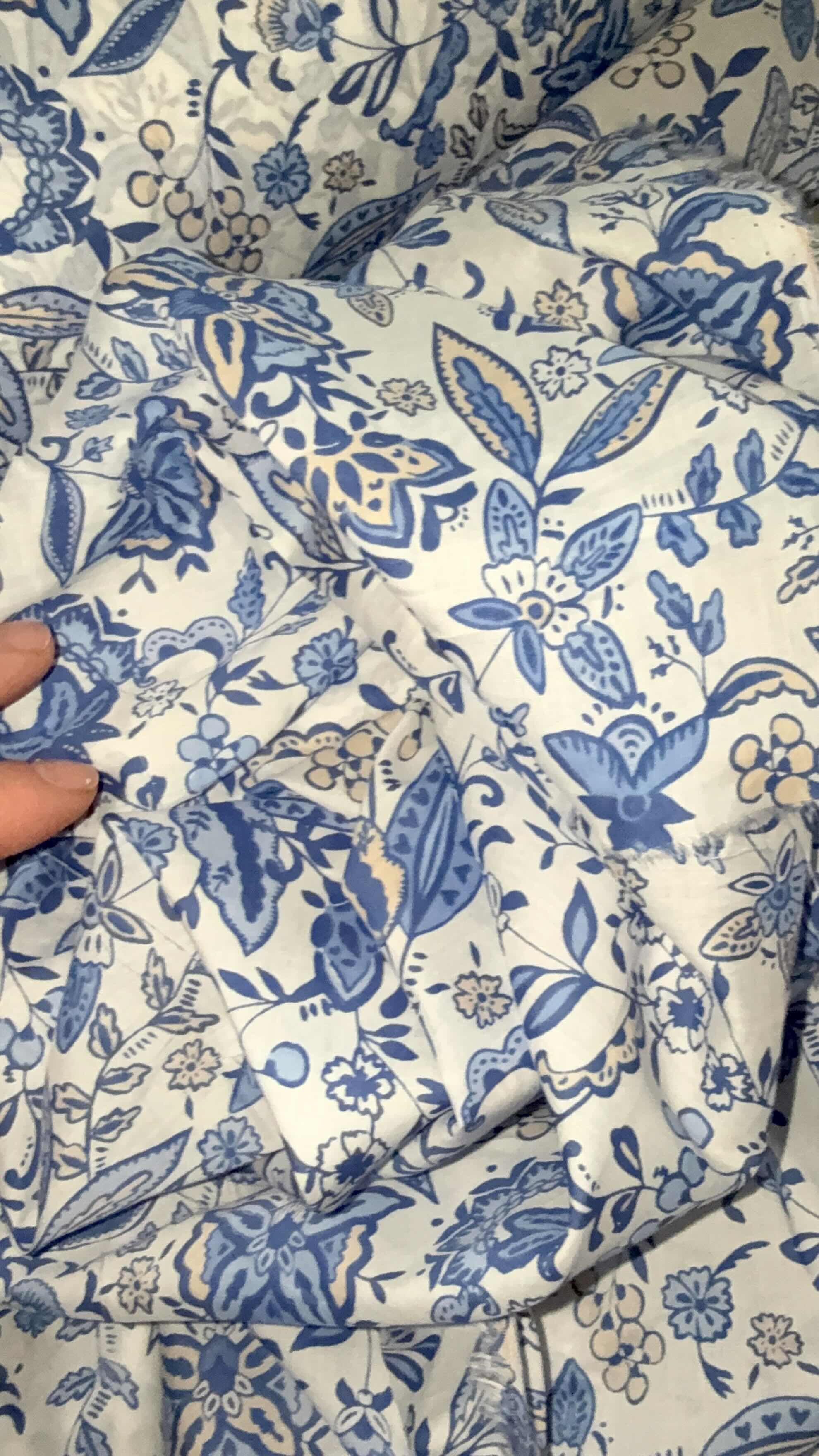
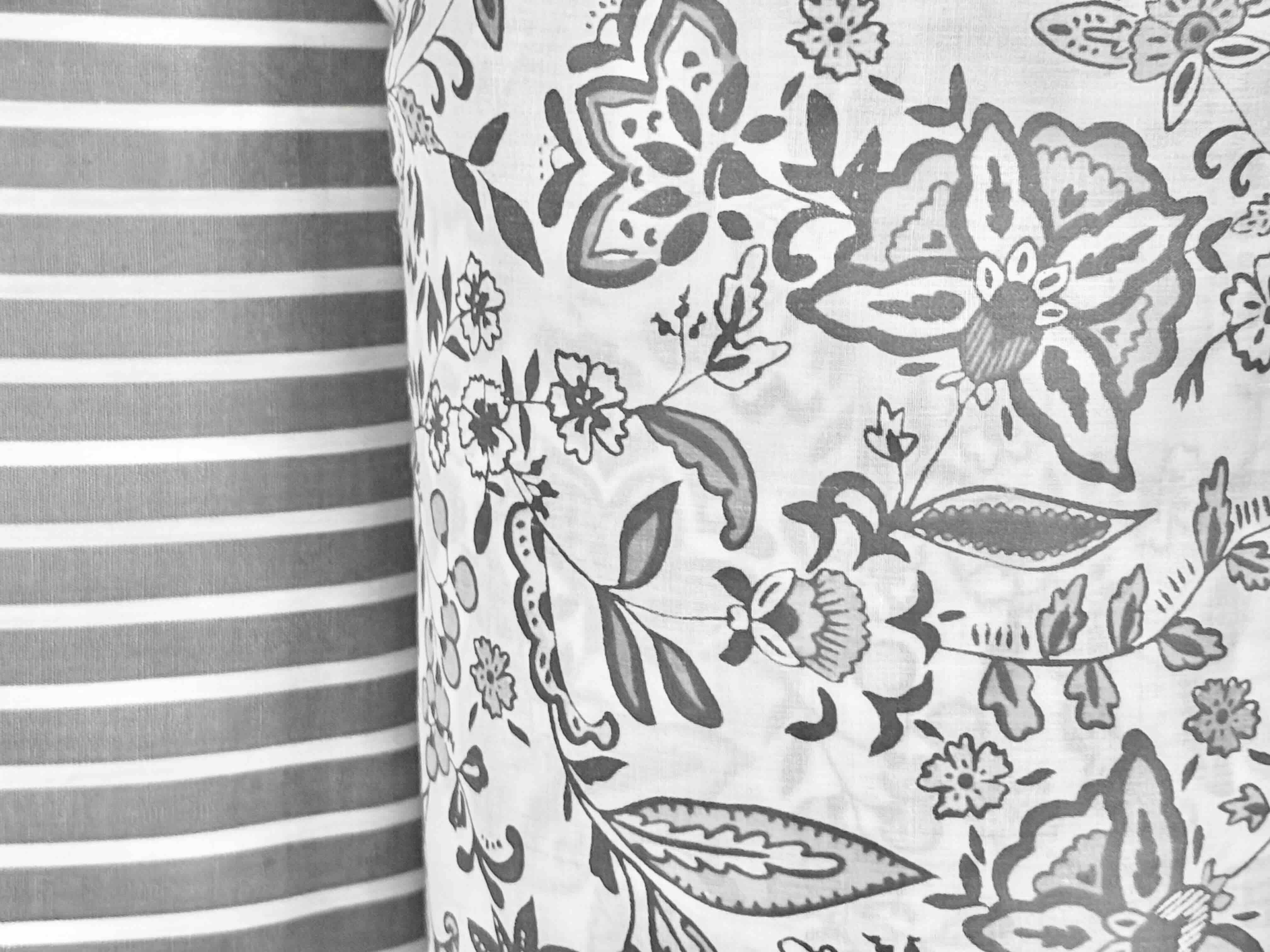
100% cotton, blue and white floral print cotton voile

Book - Creative Quilting, 18 complete projects, Peabody

Bundle of cut patterns - suitable for beginner wanting to trial different projects

New Zippers - bundle of 10 zippers in various colours and sizes
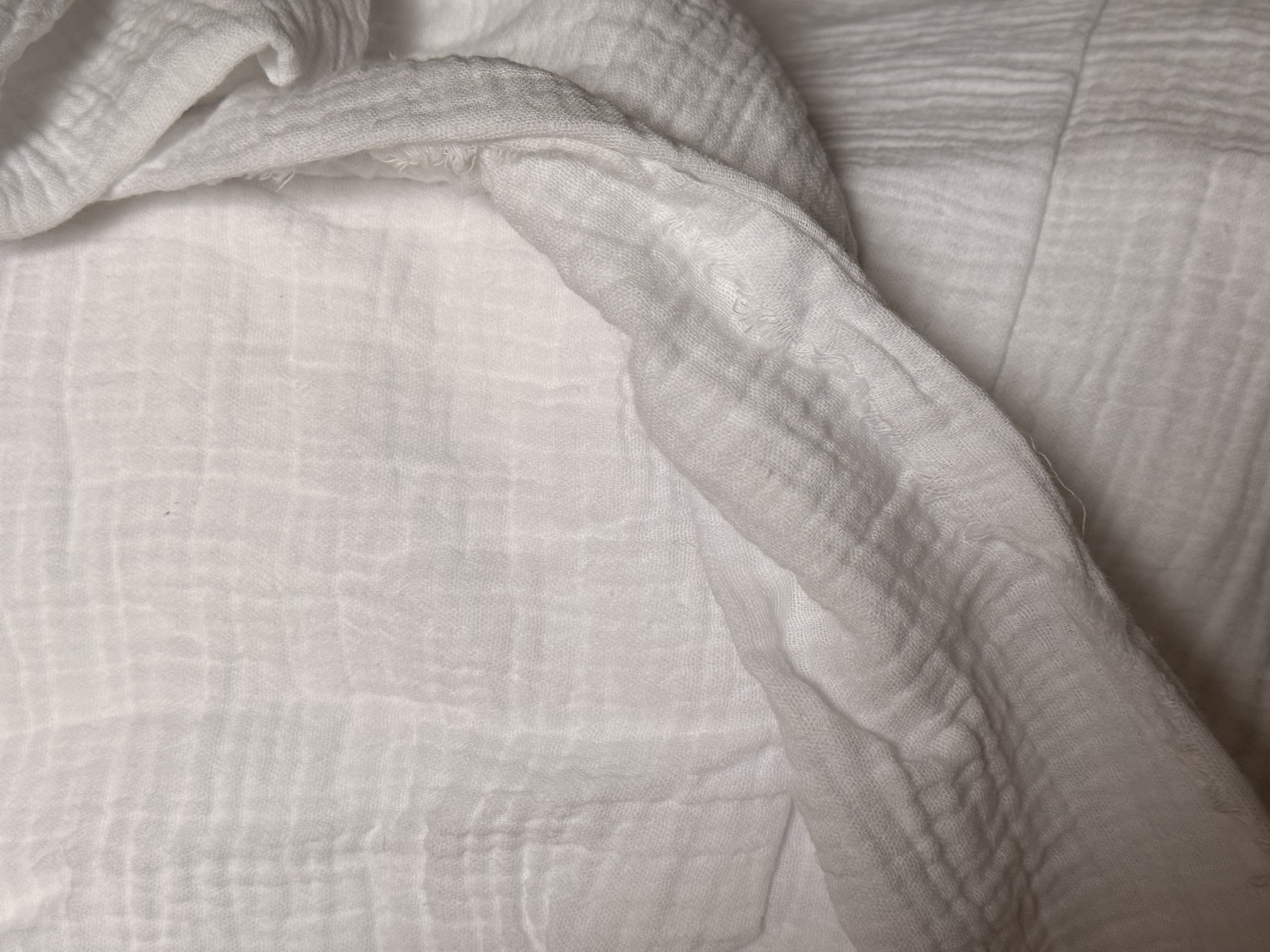
100% Cotton, double gauze, white, Australian milled