Velveteen real, or surplus?
September 28, 2026 · 5 min read
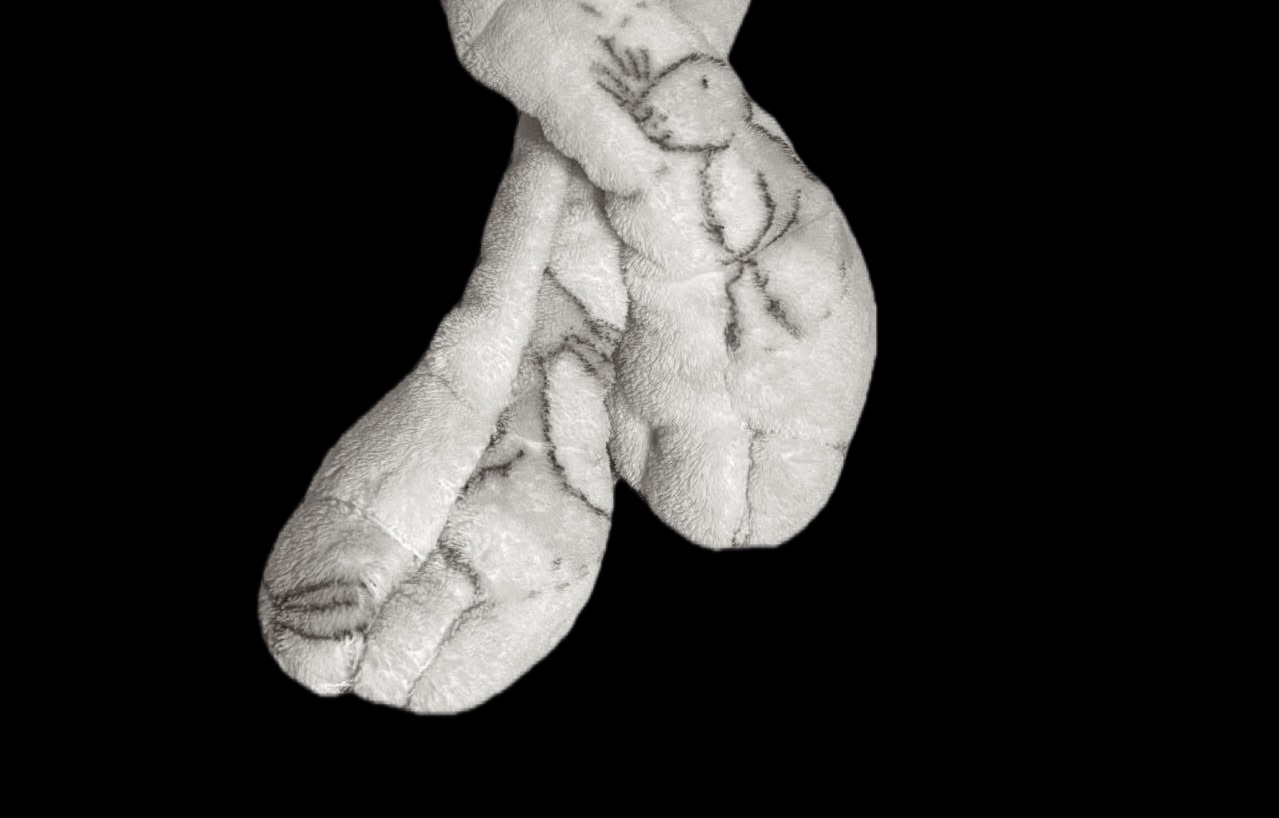
I love the story of the Velveteen Rabbit. "You become. It takes a long time…Generally, by the time you are Real, most of your hair has been loved off, and your eyes drop out and you get loose in your joints and very shabby. But these things don't matter at all, because once you are Real you can't be ugly, except to people who don't understand.” (The Velveteen Rabbit, by Margery Williams (1921)).
Some pieces of clothing, blankets, cushions or tablecloths are like that… loved to threads, but real. It makes your heart sing, or smile, or beat a bit warmer at the touch of those loved pieces. We won’t talk about them today, because they have a welcome spot in our homes and hearts.
But we need to talk about the textiles that will never become Velveteen Rabbit real.
It sounds like such a big job to consider the textiles currently not being used in our homes, and plan for their future use. But really, you can do this one item at a time. Next time you open that drawer where they hide, just think, great space, but do I really want to keep this in here? If so, why? If not, what will happen to it? Use or Move?
Use:
Use as is: Use the good bed and table linen. You bought it because you loved it. The rainy day you saved it for, is now. The honoured guest, is you. Enjoy the privilege of using that special item you traded your income for. Wear the silk monogrammed nighties, they may outlast you even if you wear them!
Upcycle: “I love this, but it is no longer pretty/trendy”. What can you do to fix the “not pretty” bits? Dye it? Print or paint on it? Applique? Creative embroidery? Cut it down and create something else, e.g. cushions or kitchen towels from linen tablecloths? Potpourri bags for your clothing drawers? A top or a skirt? Christmas decorations? Ask a friend. Post the question in our forums and see what solutions jump out. Don’t give up, try something.
Move:
Donate: Charities in Australia need really good quality items to fund their community focussed projects. If sub-standard items are donated, it does not help charities, but adds to their cost burden. We also need to keep in mind that due to cheap online prices and short life expectancy of fastfashion items, there is very little incentive for anyone to buy such clothing from charities. This is an important consideration, as charities may end up having to dump clothing, even new clothing, that remain unsold. So it does not make much economic sense. If this trend continues, it will eventually affect the shops' turnover, which in turn would significantly impact their ability to support those in dire need. So we need to ask ourselves before we donate, whether someone will really use it, or is there a chance that it may end up in landfill locally or overseas. How can we actively prevent this? Would upcycling value add to the item and assist the charity?
Sell: Selling pre-loved, or leftover textiles may help someone else complete their project, and can simultaneously fund your purchase of textiles you really need, like a winter coat, or a new bikini. You all need to pray that I don’t swap my one piece for the latter, as whomever is on the beach when I jiggle down to the water’s edge, will need to wear protection for arc-eye!
When your textile is in too poor a condition to sell, or a type of item that cannot be sold, e.g. underwear or bedding, you would do best to consider the type of textile. (Read here about the burn test to determine fibre type when your textile item has no label.) If it is a 100% natural fibre, it is admittedly desirable for fibre to fibre recycling. Unfortunately, less than 1% of textiles are being recycled this way, and yes, most of it is 100% natural fibre. Due to a lack of investment in textile recycling infrastructure, there may not be a facility near you that would make the footprint of recycling more environmentally friendly than cutting your textile into small pieces and adding it directly to your home compost bin. There it will deteriorate with the organic waste from your kitchen and garden. You may wonder why your home compost is better than landfill. For starters, no one else will have to handle your textile. You are not passing on costs or an increased environmental footprint, because you have eliminated the need for waste collection, driving to a depot, and potential export to a third party country. Processing it this way means the fibre is being processed as part of the natural carbon cycle, where the organic matter will feed soil microbes, and eventually your plants.
But what if it is not 100% natural fibre? This is the big question as infrastructure investment to develop circularity, especially fibre to fibre recycling, is globally inadequate. Over 60% of textiles contains polyester, and our recycled bottles mainly ends up as spun polyester. So sadly, blended or 100% polyester fabrics are fast tracking microplastic into the environment. We must not underestimate the severity of this issue. One garbage truck full of textile is dumped or incinerated every second! And poised to increase yearly.
Where possible, try to prolong the item's use. Weave a bathroom mat, make hair scrunchies, or shoe bags. After that, try to find a textile recycling business near you to support. Organisations like Upparel in VIC, are making headway by recycling textiles into new fibres. You may be required to pay to have your items recycled, to help keep the process sustainable. Failing that, we know where it will go. At least you tried, and that is the best you can do. #noguilt #justtry #onelittleweebill