Former Canberra Resident Establishes Dedicated Australian Online Textile Marketplace to Help Families and Businesses Turn Unused Resources into Value
November 4, 2026 · 4 min read
Canberra, Nov 2026
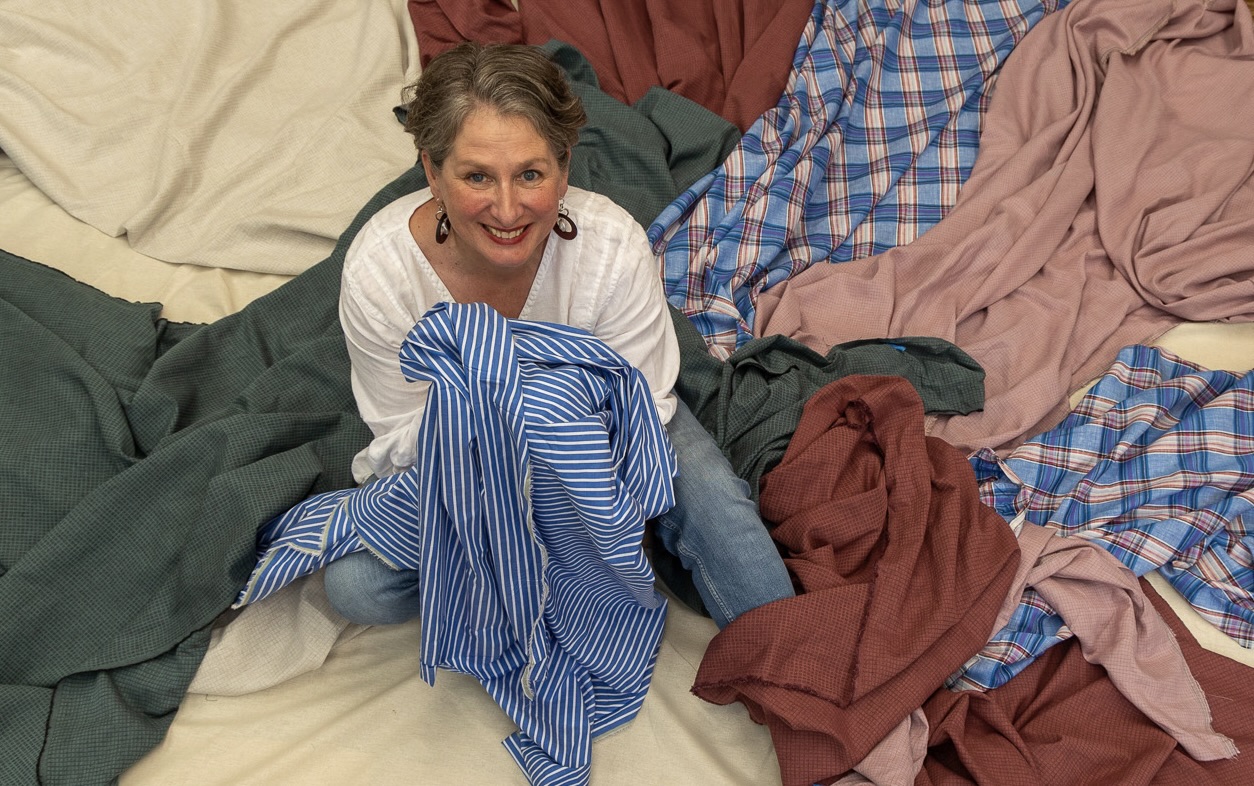
As Australian households and businesses continue to feel the pressure of rising living costs, a new national online marketplace, Weebill Online, founded by Susanna Pieterse, former CEO and Artistic Director of Canberra’s much loved, but now closed, Paperworks Inc, is providing a practical way, beyond thrifting, to unlock value from unused textile and craft resources, while contributing to a more sustainable future.
According to data tracked by the Circularity Gap Report, in the short period from 2016 to 2021, our global textile consumption matched the equivalent of roughly 75% of the entire 20th century’s resource consumption. Textiles remain viable for years, but are amongst the most valuable resources most frequently discarded. The 2026 Circularity Gap Report highlighted that each year, over €20 trillion (with some estimates up to €29 trillion) in economic value is lost “due to resource inefficiencies, premature product disposal, and underutilised assets…These losses reflect not only direct economic costs, but also hidden environmental and social burdens, including pollution, resource depletion, human health impacts and reduced labour productivity.”
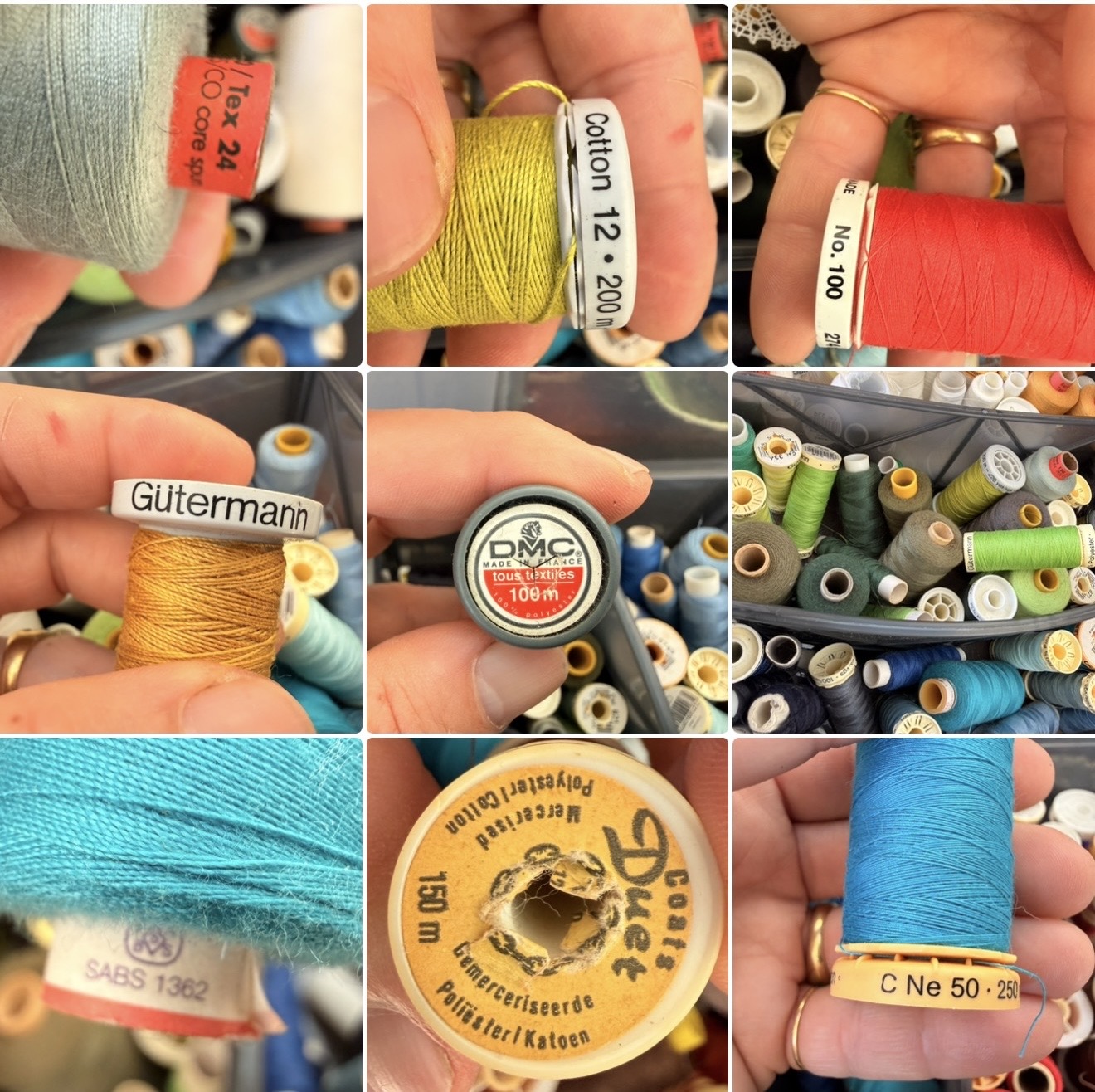
Across Australia, valuable textile and craft resources sit unused in homes, businesses, and factories. Sadly, private craft stashes often become a problem for those managing deceased estates. The problem isn't that there are no buyers, because Australia is the world’s second-highest textile-consuming country. It's that buyers and sellers are scattered across various general marketplaces, informal networks and social media groups with algorithms, geographical or item-specific rules, that hinders buyers and sellers from finding each other.
Weebill Online aims to change that by bringing Australia's textile and creative community together in one dedicated textile emporium. All Australian sellers can now connect with buyers actively looking for textiles, sewing patterns, yarn, and other craft resources, while transactions also contribute to a larger environmental and social impact.
Besides making it easier for someone clearing a sewing room, downsizing, or managing a deceased estate to connect with a community where their surplus will be valued, Weebill Online also offers businesses operating in a challenging economic environment a new channel to connect with a highly targeted audience already interested in their product.
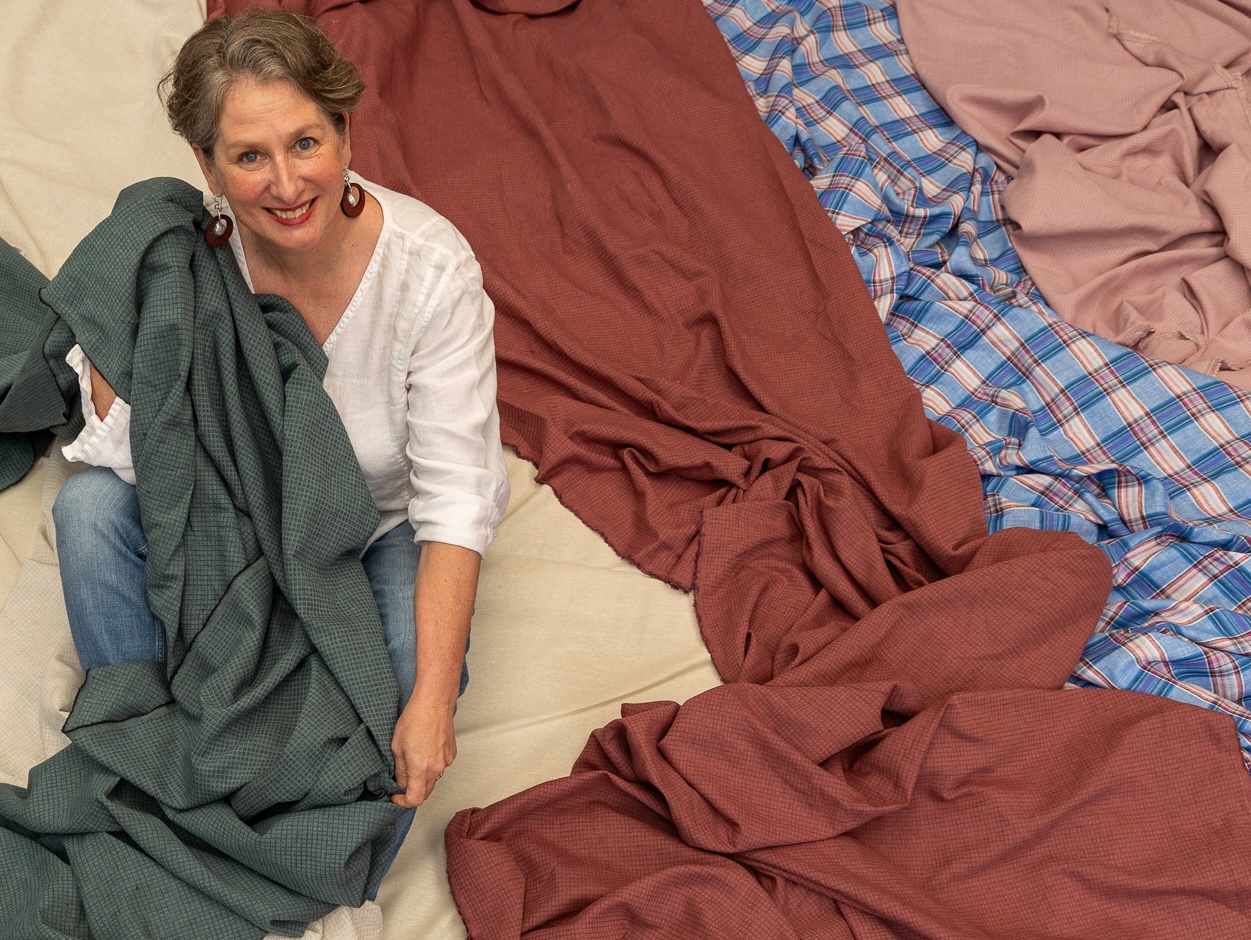
Weebill Online founder Susanna Pieterse said, “Unlike social media posts that disappear into busy feeds, every Weebill Online listing remains searchable by keyword and category. This makes it easier for buyers to find what they need.
Waste to landfill is a symptom of overproduction. While overproduction continues and financial modelling to invest in circularity remains unattractive, waste to landfill will remain the norm. Weebill Online aims to address this issue by encouraging others to re-imagine textiles to keep textiles in circulation for longer and reduce the demand for excessive imports which inevitably leads to waste.
"The most sustainable product is often the one that already exists," said Susanna, "Every piece of fabric and craft resource that is reused, is one less item potentially headed for landfill and one less item that may need to be produced from scratch."
Importantly, the initiative has a strong social purpose. A portion of funds generated through Weebill Online’s textile emporium will be applied to support organisations working with women experiencing homelessness. Women have such strong links with textiles historically, that Weebill Online is a perfect fit for this goal.
By participating in the marketplace, Australians can recover value from resources they no longer need, and their small individual actions can collectively help to reduce waste, support makers, and contribute to initiatives supporting some of the country's most vulnerable women.
But why a Weebill? Susanna says, “A colleague once told me that when one is faced with a seemingly insurmountable problem, you eat an elephant one mouthful at a time. A weebill, one of Australia’s tiniest birds, weighs feathers and all just 6.5 grams, roughly the same as one and a half teaspoons of sugar. Just about a mouthful. The mammoth textile waste crisis is far larger than one person, or one government, can solve, but as a grassroots movement, each little weebill kept in circulation adds up, and the impact could be enormous.”
A project like this is only viable if there is broad, nationwide participation. Your active participation, either as a vendor or buyer on the marketplace, can make all the difference whether this circular focussed grassroots project will succeed. If you would like to know more about how to get involved, please visit www.weebill.com.au.
About Weebill Online
Weebill Online’s textile emporium is Australia's dedicated marketplace for textile and craft resources. Households, makers, community groups, and businesses – everyone seeking to sell, buy, donate, and repurpose textile and craft materials, can connect on the textile emporium. Through encouraging circular reuse and community participation, the business aims to reduce waste by unlocking value from underutilised resources and generate support for organisations assisting women experiencing disadvantage, particularly women experiencing homelessness.
Mission
To facilitate an online space to inspire Australians to re-imagine textile and unlock the value of unused resources, while keeping textiles in circulation for longer to generate environmental benefits, as well as stronger, more inclusive communities.
Vision
To create a future where people are connected through a global creative community that trades to unlock the value of unused resources, and by keeping textiles in circulation, also generate lasting environmental and social impact.
Media Contact
Susanna Pieterse
Founder, Weebill Online