Business owner or activist?
October 7, 2026 · 7 min read
Yesterday a friend told me you either have to run a business or be an activist, because apparently you can’t be both. It is not professional and it offends people. Years ago someone else told me the same about being either an artist or an activist. I thought that was hilarious as so many artworks were born out of activism. And more businesses should be rooted in it.
In the lead up to the upcoming election I have been receiving several letters from politicians about their policies and honestly, it is disturbing me greatly. It is contributing to a very un-Australian “them and us” culture. We don’t need more division. Not only because it smacks of populist policies, but because this is how many civil wars started. Create a them and us mentality and then we can dehumanise them, after that we can limit their liberties, confiscate their properties… and on it goes and before you know it, it is ok to toi-toi, burn people and places. But carry on, it won’t happen in Australia, will it? I suggest you look very carefully at Bondi and how the Israel/Palestine opinion divides Australians before you answer.
Of course my beef with government is the plight of Australia’s hidden homeless people. Expect to be offended by what I am about to say. Women have been, and still are treated like irresponsible children. It appears that public consensus is that once an older woman loses her man in a suit, she also loses her ability to think for herself. So her main asset which can help her rebuild her life, stays locked up, unless either Centrelink or the ATO agrees she can access it to pay medical bills. Pay bills, but stay homeless. A woman in dire straits may also receive advice to dumb down her resume to get a job packing shelves or agree to volunteer as "work for the dole" participant. No wonder poverty is entrenched amongst older single women. "But please, don’t raid your super, as proceeds from your super fund could be used to make political donations in the name of lobbying, while we will be building 15000 more homes." The inside of one which you will possibly never see.
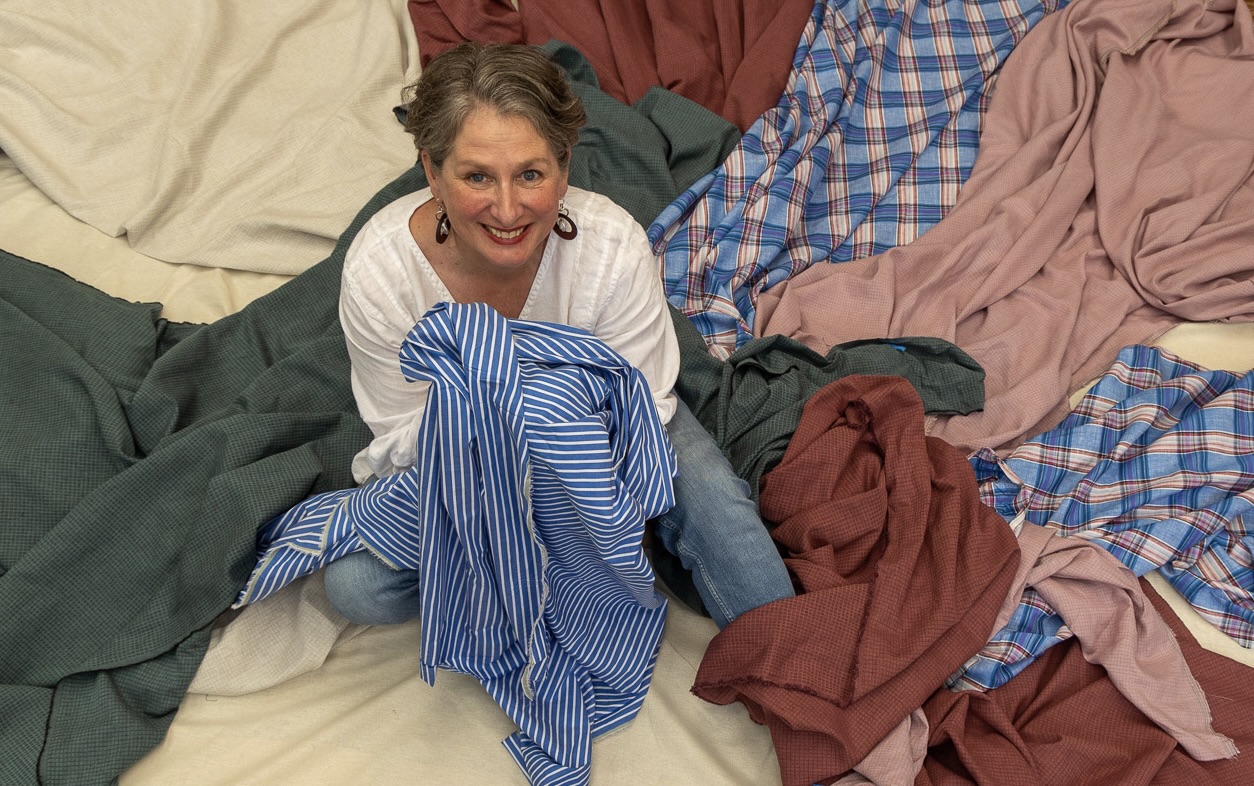
It gripes me to death. I started a business to address textile waste in Australia AND simultaneously support women. I would love funding to do even more. But for now, this is a good start, Australians can help themselves. 😊
This coming election has a strong focus on migrants, the very people that built this diverse country and added to its rich culture steeped in food and skills, the likes brought here by your parents and grandparents. It is one thing to restrict intake, but it is entirely another thing to make it an election focal point and use language that appropriates blame and causes division. We can do without it.
Just like we can do without our disposable culture, from wives to cheap t-shirts, and a general lack of bipartisan support for large infrastructure projects, all of which are probably doing more harm to the economy than the few skilled migrants arriving every year. With an aging population and a growing need for social services because of that, we need WORKING people and business innovation to keep the economy going. Division is not going to deliver that.
Sadly, cheap imports are probably killing mum and dad businesses faster than the few migrants whose children we need for future growth. But let us blame migrants for the housing crisis. Let us not look at councils removing dwelling entitlements from small rural blocks, or the masses of red tape that holds up projects in cities like Sydney. These can quickly be overcome with a pen stroke, and deliver meaningful outcomes fast, but it is not election sexy. In fact, our NIMBY (not in my backyard) attitude is exactly that which enables councils and bureaucrats to maintain their stance and it contributes to locking people out of housing. And yes, many older women move to small rural towns just to survive. Forgive me if I see no practical, humane, reason why historical dwelling entitlements should be removed to comply with a new 100 acre standard. A hundred acres property is not necessarily commercially more viable than a five acres block, and leaving many small blocks empty for 300 days a year is a sure way of increasing pest and weed problems for neighbouring farms, but never mind, our "standards" are more important than people.
So this is why I will keep on sending my Weebill Online press release to all of these politicians that fixate on "fixing the migrant issue to fix the infrastructure pressure mess." Please, put your money where your mouth is, in the best possible way. I believe there are better ways to do things. Bipartisanship for starters.
And that starts here too - if we collaborate, we have strength in numbers, and we have a much stronger voice to advocate for better outcomes. This is why I am standing up against textile waste, AND doing it in support of women.
But yes, the environment is a huge factor too! Today 60% of garments either contains plastic or are made entirely of plastic. A portion of which are recycled fibres. Yes, you guessed it, that recycled fibres comes from plastic bottles, the same ones we intentionally recycled to keep from landfill. China has almost 33% of the global textile trade, and Australia imports a significant portion as we are the second highest textile consuming country in the world. Now consider that 40% of all new garments are never worn, and Australians discard on average 32kg (a large travel suitcase) of textiles per person per year. Where does it all, plastic containing clothes included, go? A third of that waste is exported. Yay, for waste colonialism! It increases our carbon footprint, and we are contributing to pollution in a third party country. As if the resource extraction and pollution during the senseless overproduction stage was not bad enough.
Let us not spoil the mood and also think of all the textile & clothing businesses in Australia that closed in recent years, or that each, even micro businesses employing only four people, may have contributed at least $300k annually to GDP. Our mum and dad businesses are losing their livelihoods because as a country we are enabling modern slavery overseas, with our cheap, cheaper, cheapest mindset. We can stop that. We are so used to a minimum wage, that we never even consider the reality that somebody else is paid less per day to make our cheap clothing, than what we pay for a cup of coffee during our lunch break. However, it is not just textile workers overseas that pay the price, at the moment generational textile industry families here are too. And eventually everyone down stream, the butcher, the florist, the barista and whomever’s child needs a local job, will too. Every business that closes, shrinks our national wealth and over time our ability to invest in infrastructure projects. But let us blame the influx of migrants for inadequate infrastructure, the politicians say.
We can do better. We can start reducing textile waste by keeping it in circulation for longer as an effort to push back against mindless overproduction. Australia seriously lags Europe on the policy front, and we can definitely lobby for more investment in circularity, and recycling. Here on Weebill's Textile Emporium we can work together to create part of that circular economy by keeping textiles in circulation for longer, and we can have a meaningful environmental and social impact. Let's do this!
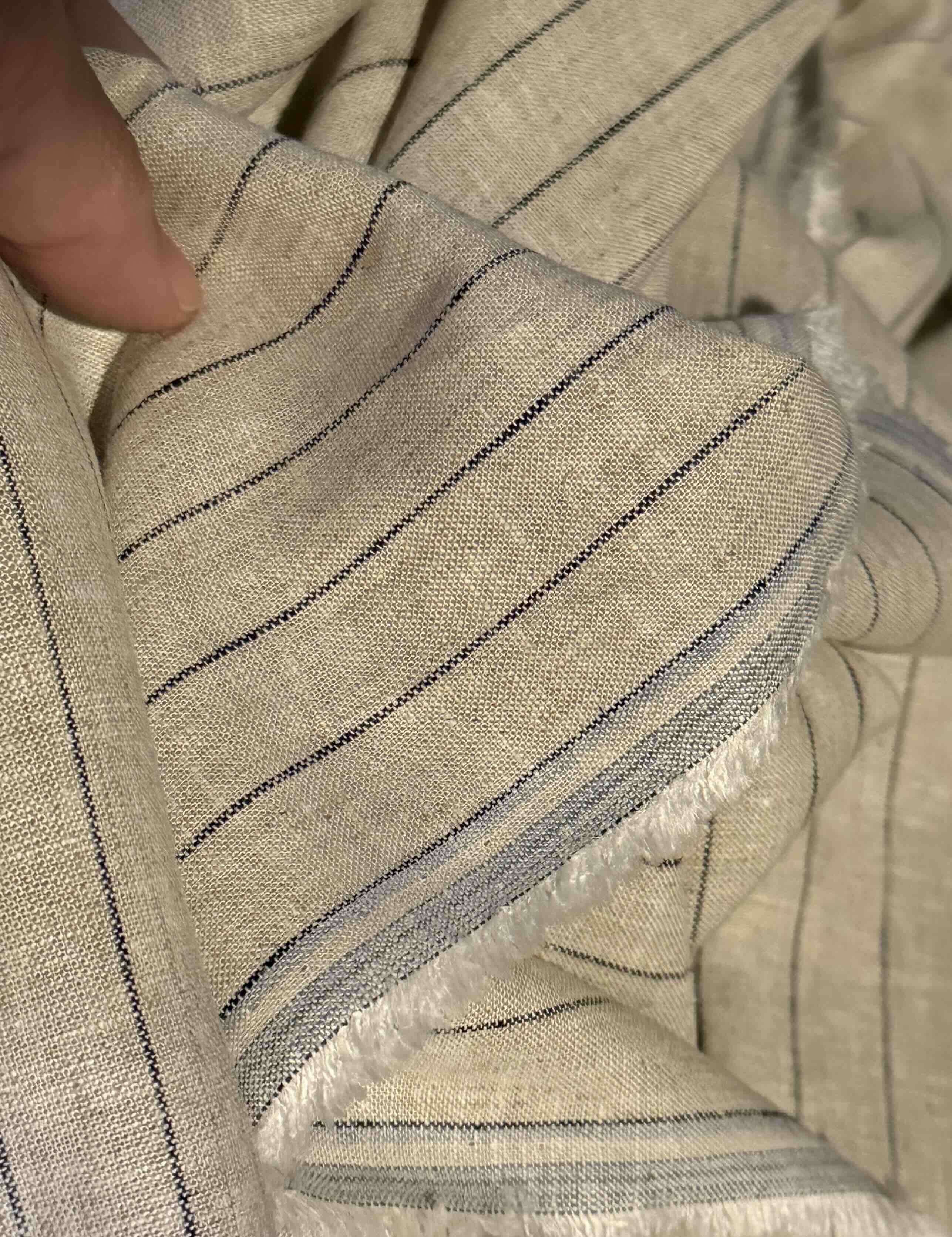
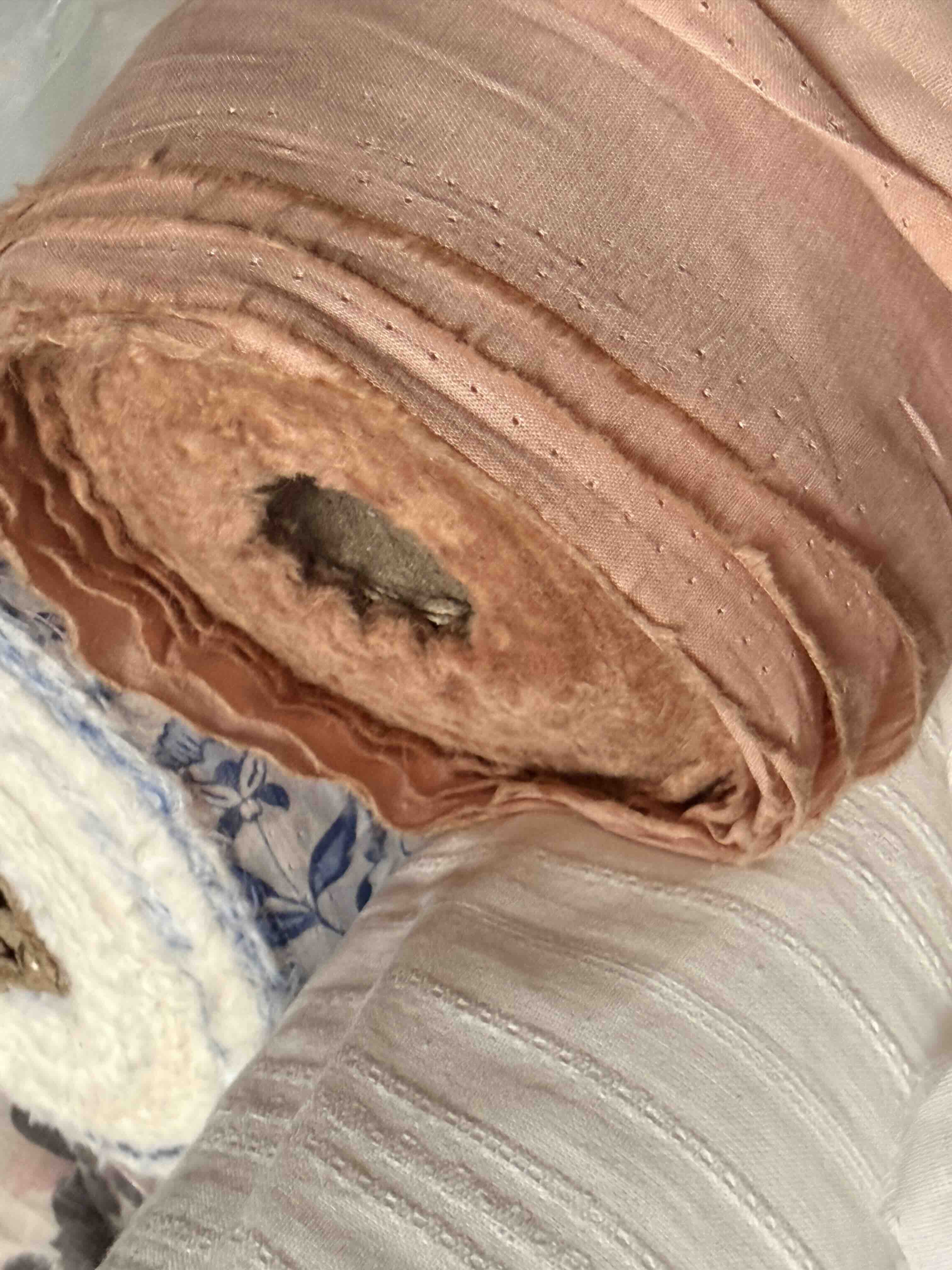
The textiles shown below this article were all sourced from a generational Victoria clothing manufacturer that closed in April 2026. Excellent quality, a little bit of history and part of a very sad picture.
Shop this post
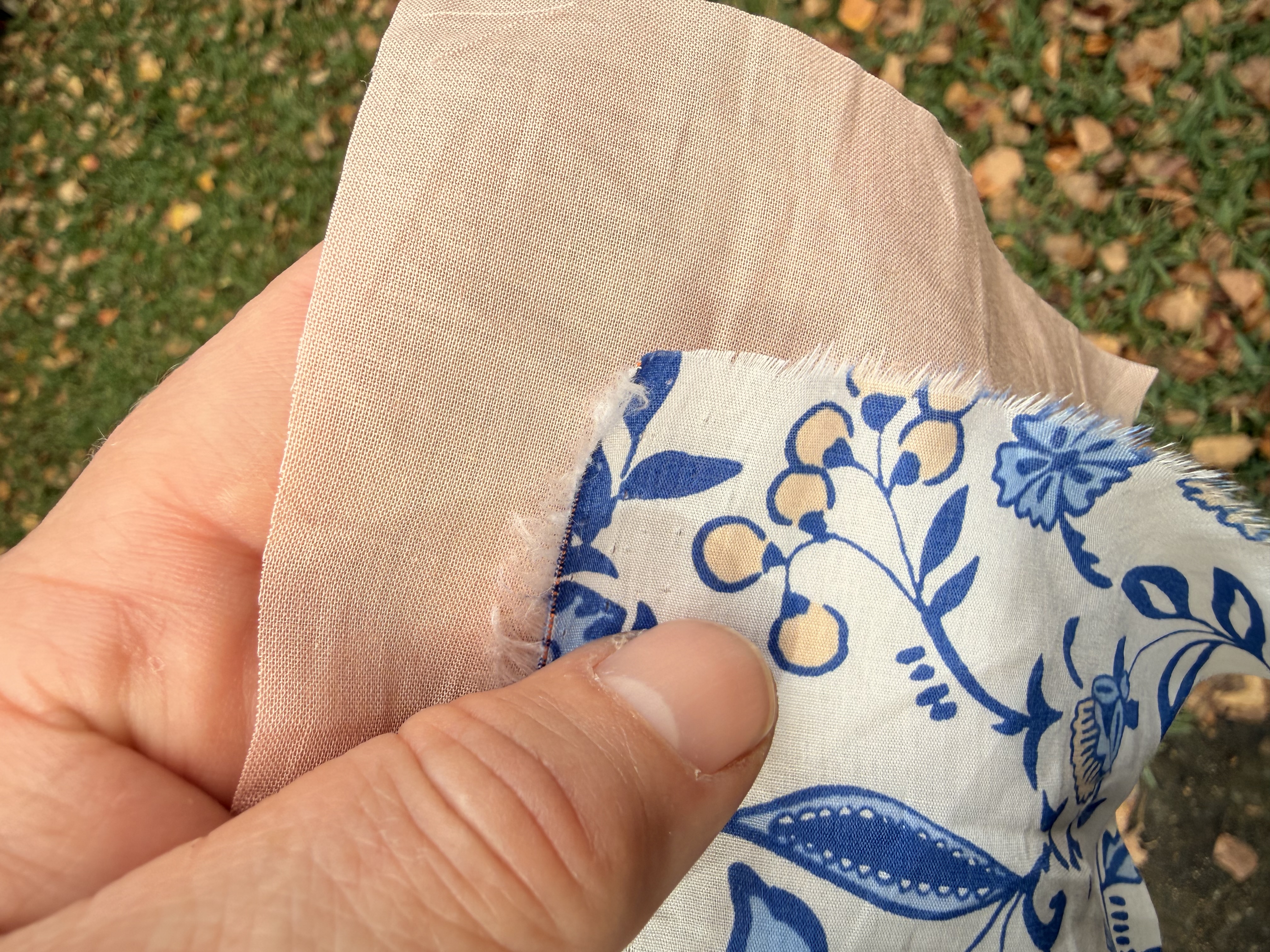
100% Cotton, voile, peach fuzz, plain , Australian milled
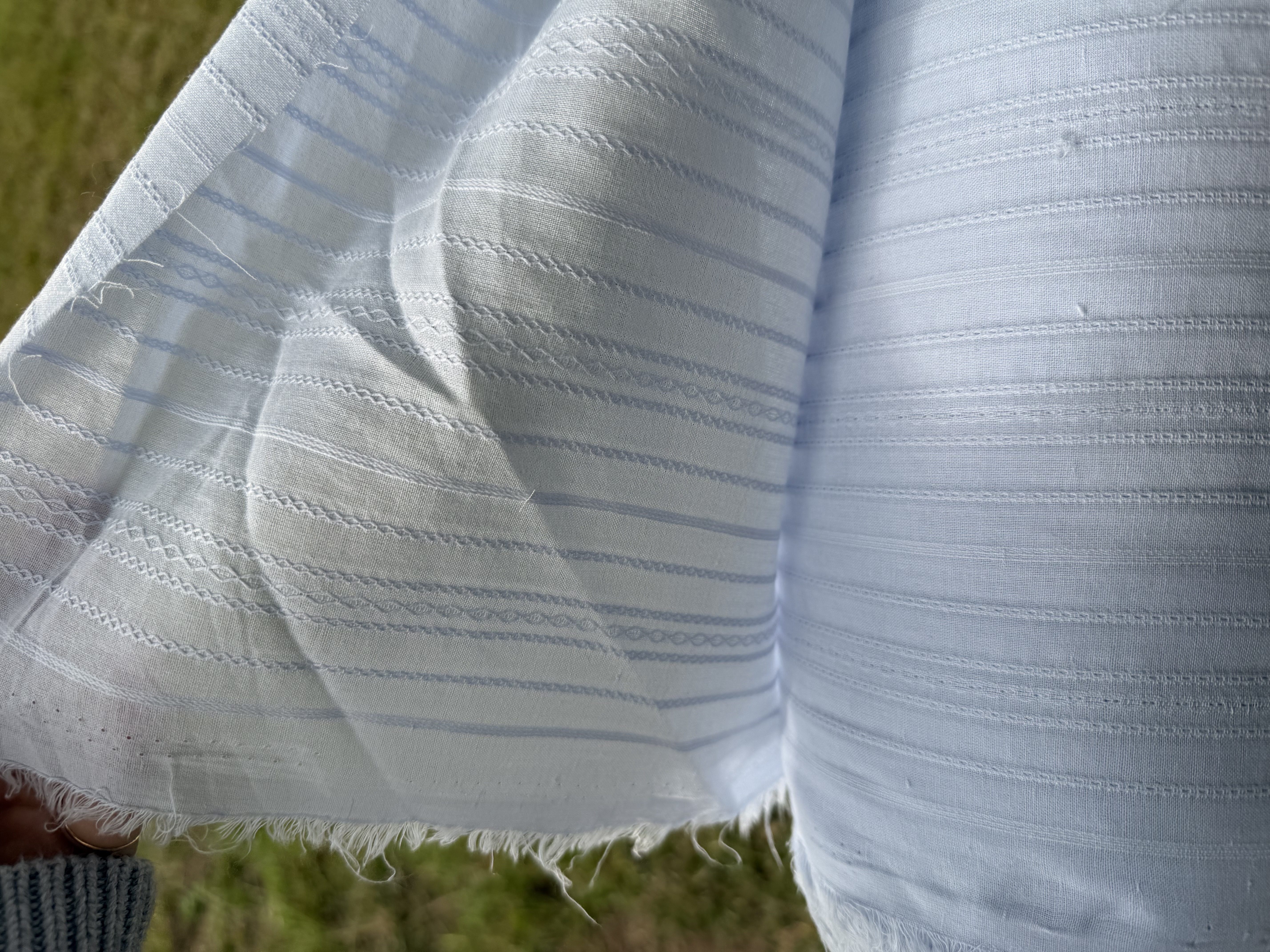
100% Cotton embroidered blue dobby , Australian milled
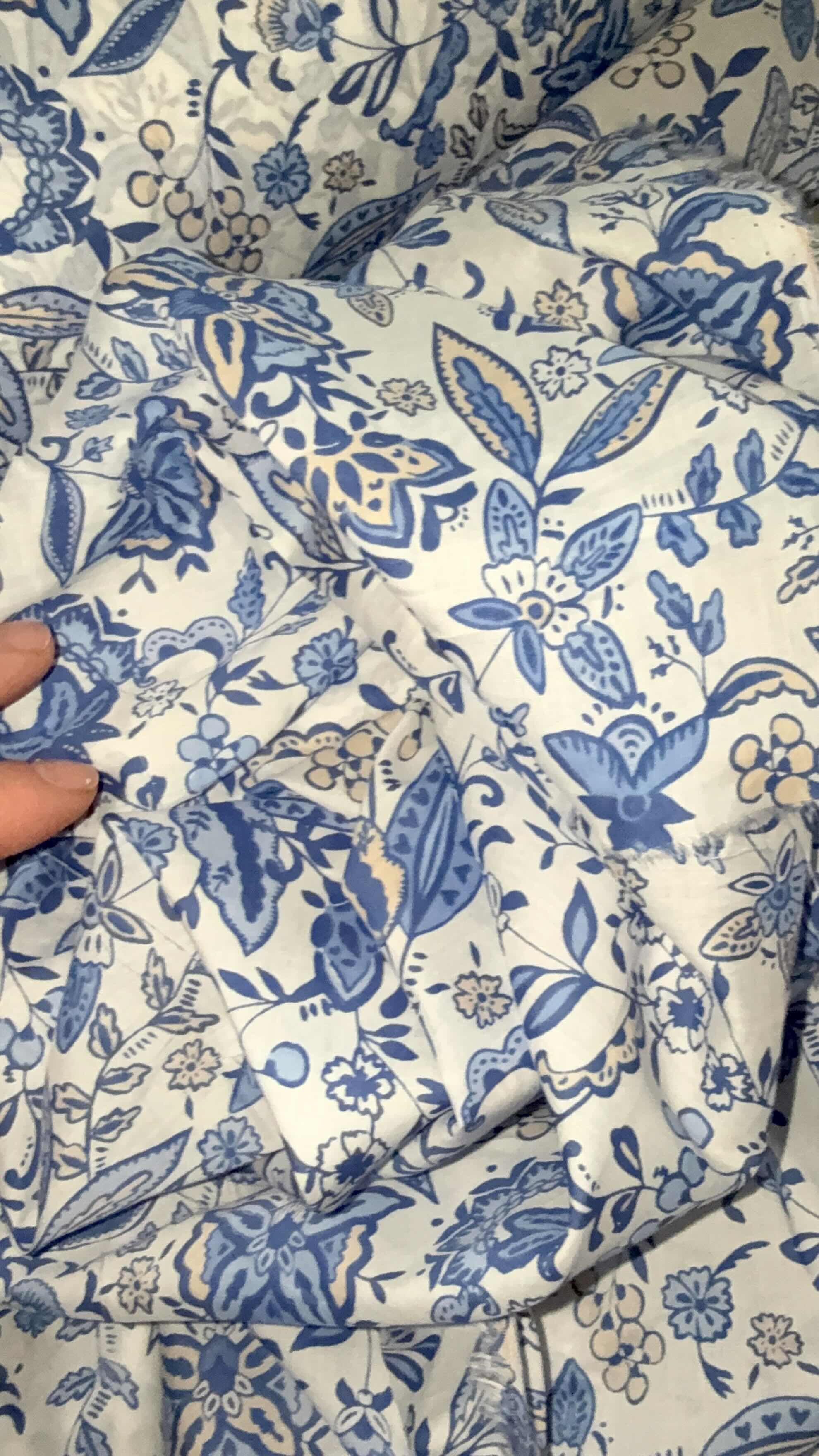
100% cotton, blue and white floral print cotton voile
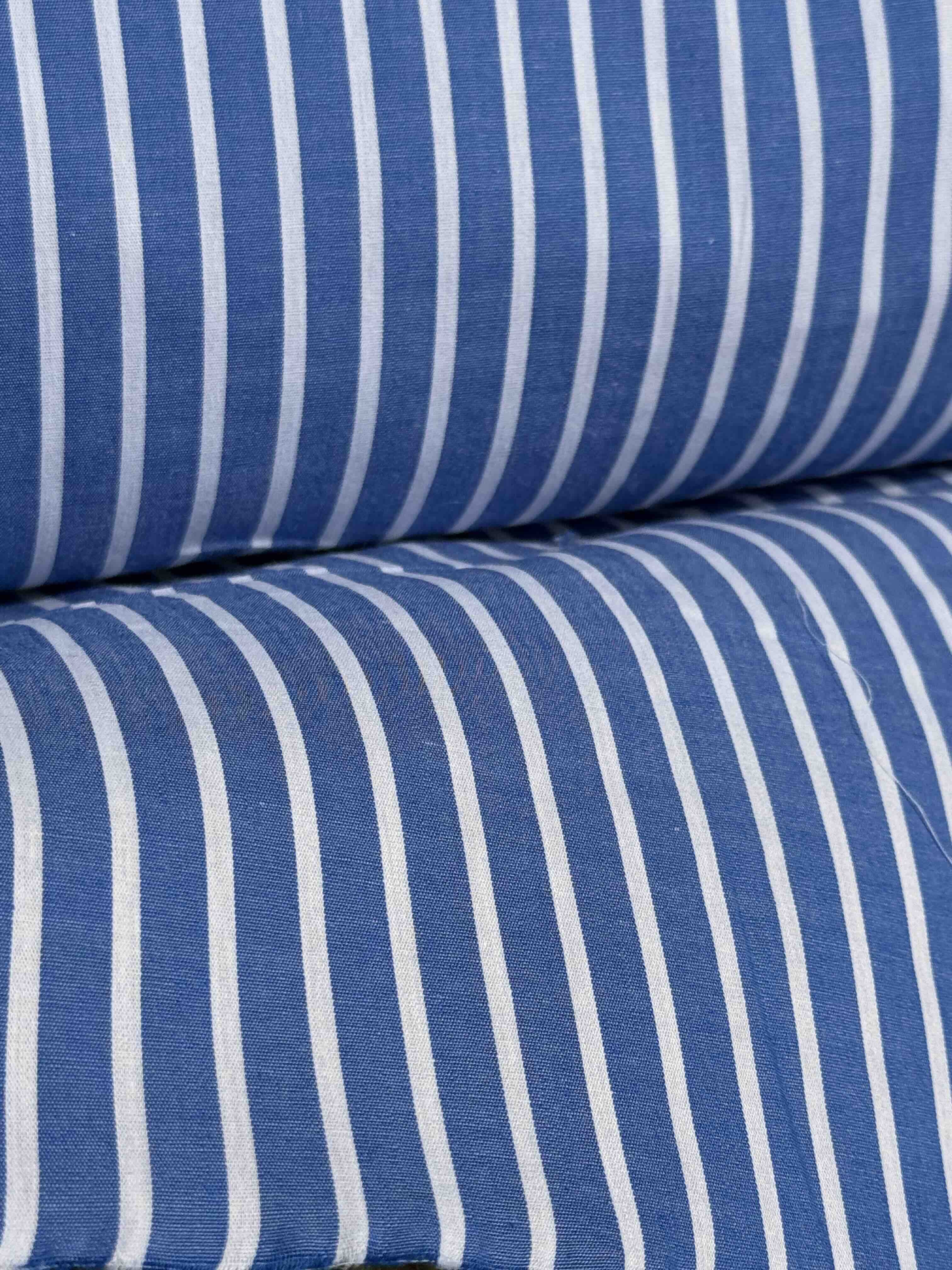
100% cotton, blue and white striped poplin fabric
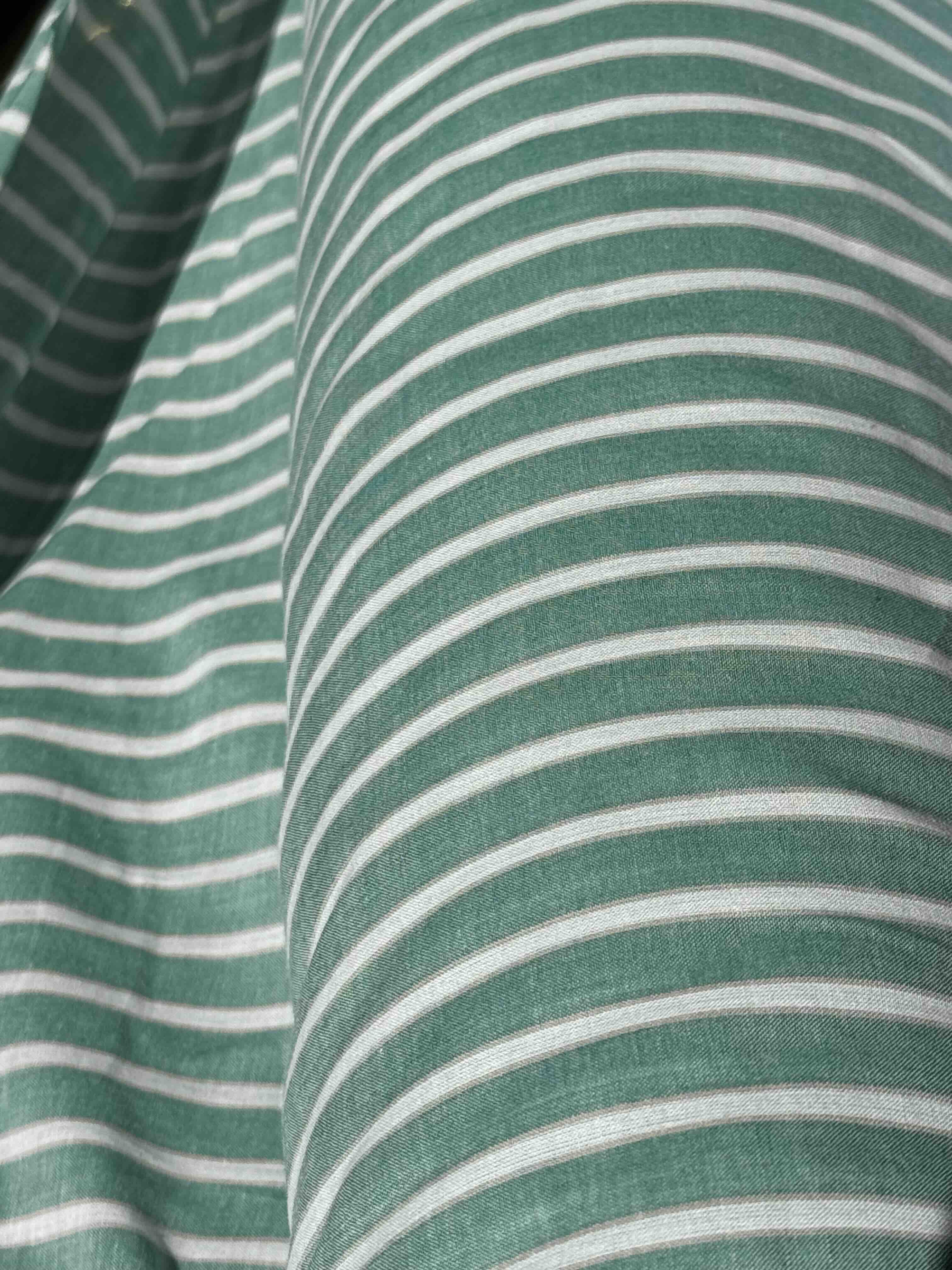
100% cotton, green and white striped voile, fabric
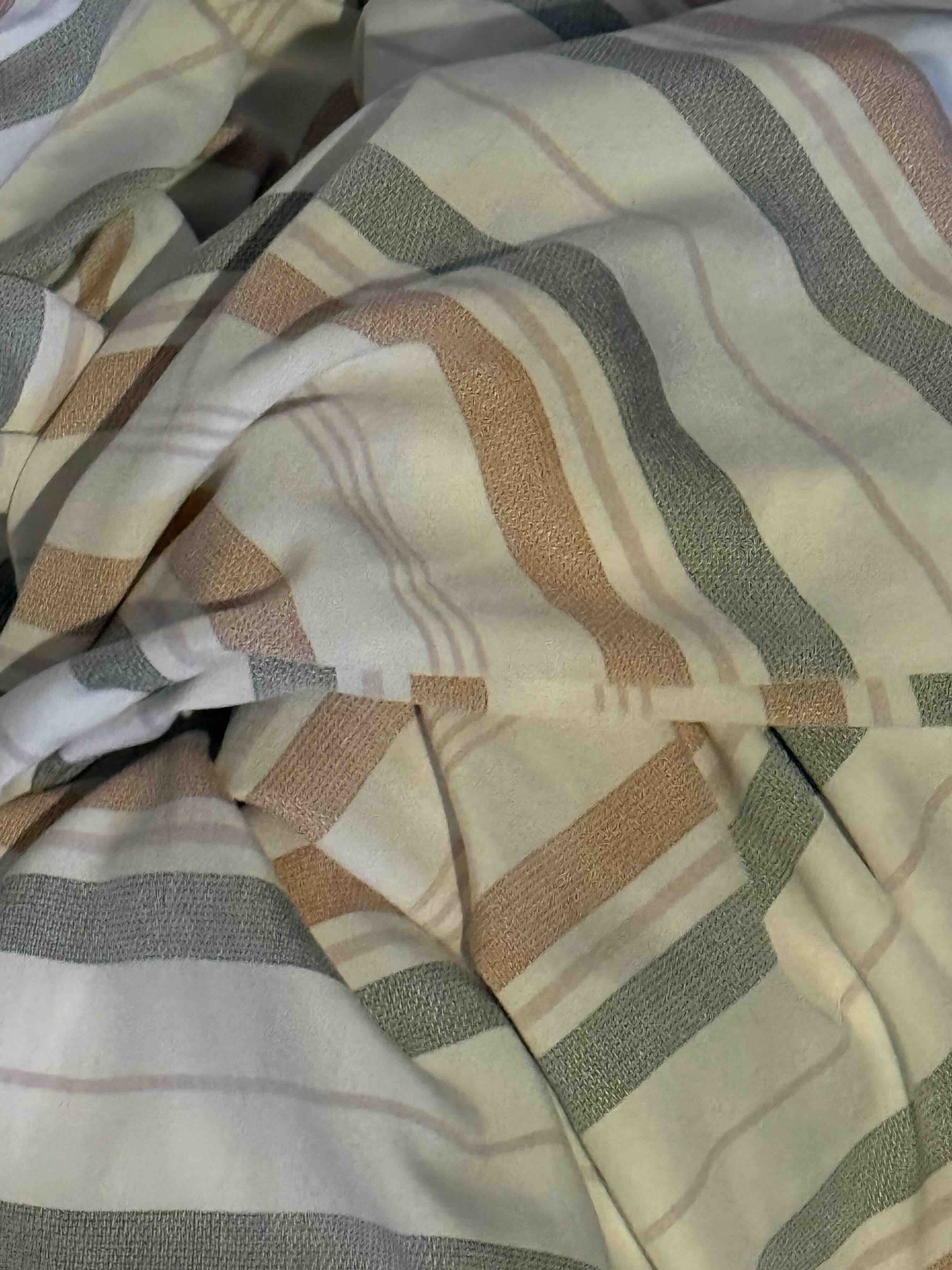
100% Viscose, striped cream, grey green and peach
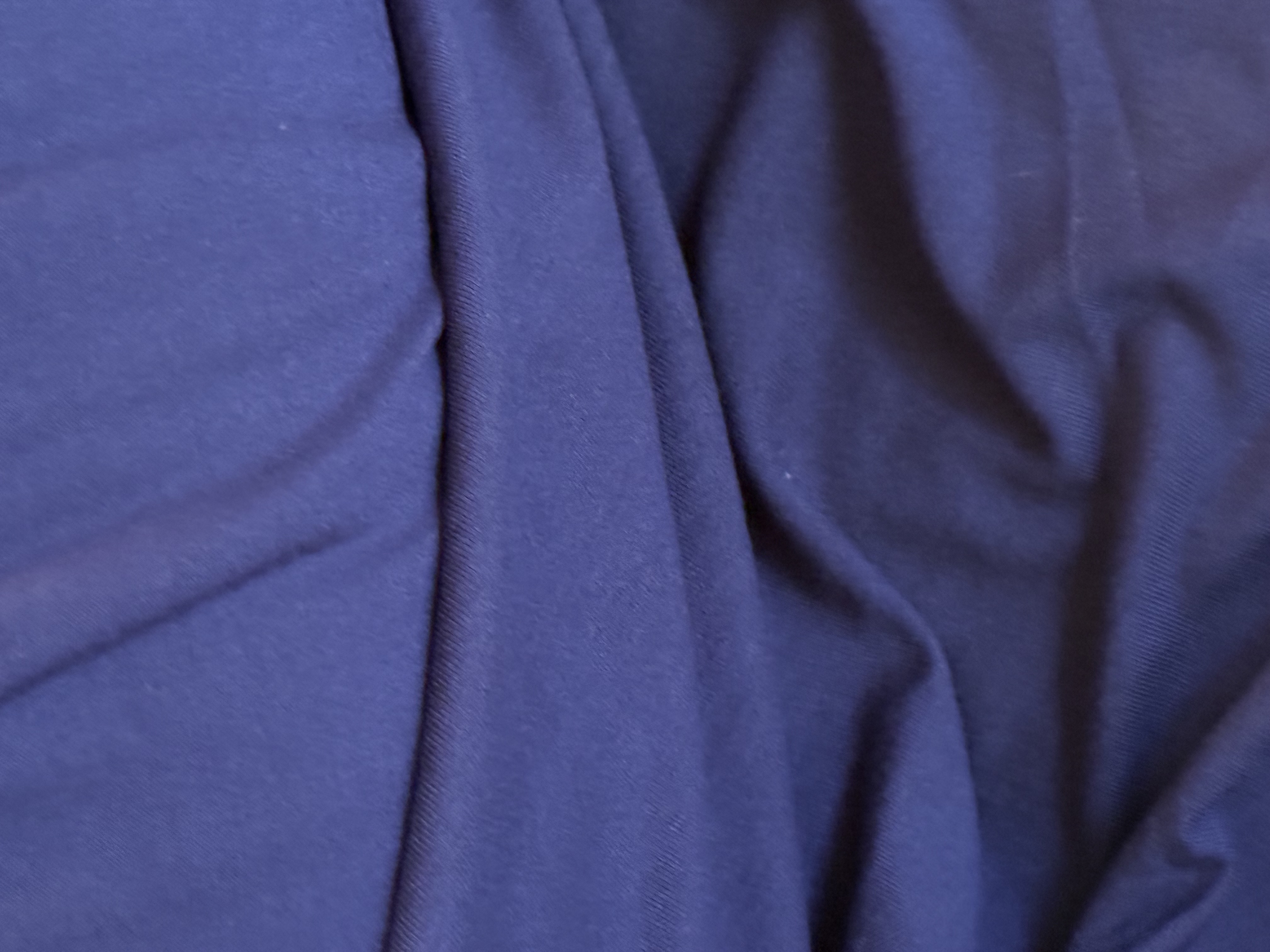
Softest bamboo knit fabric, navy
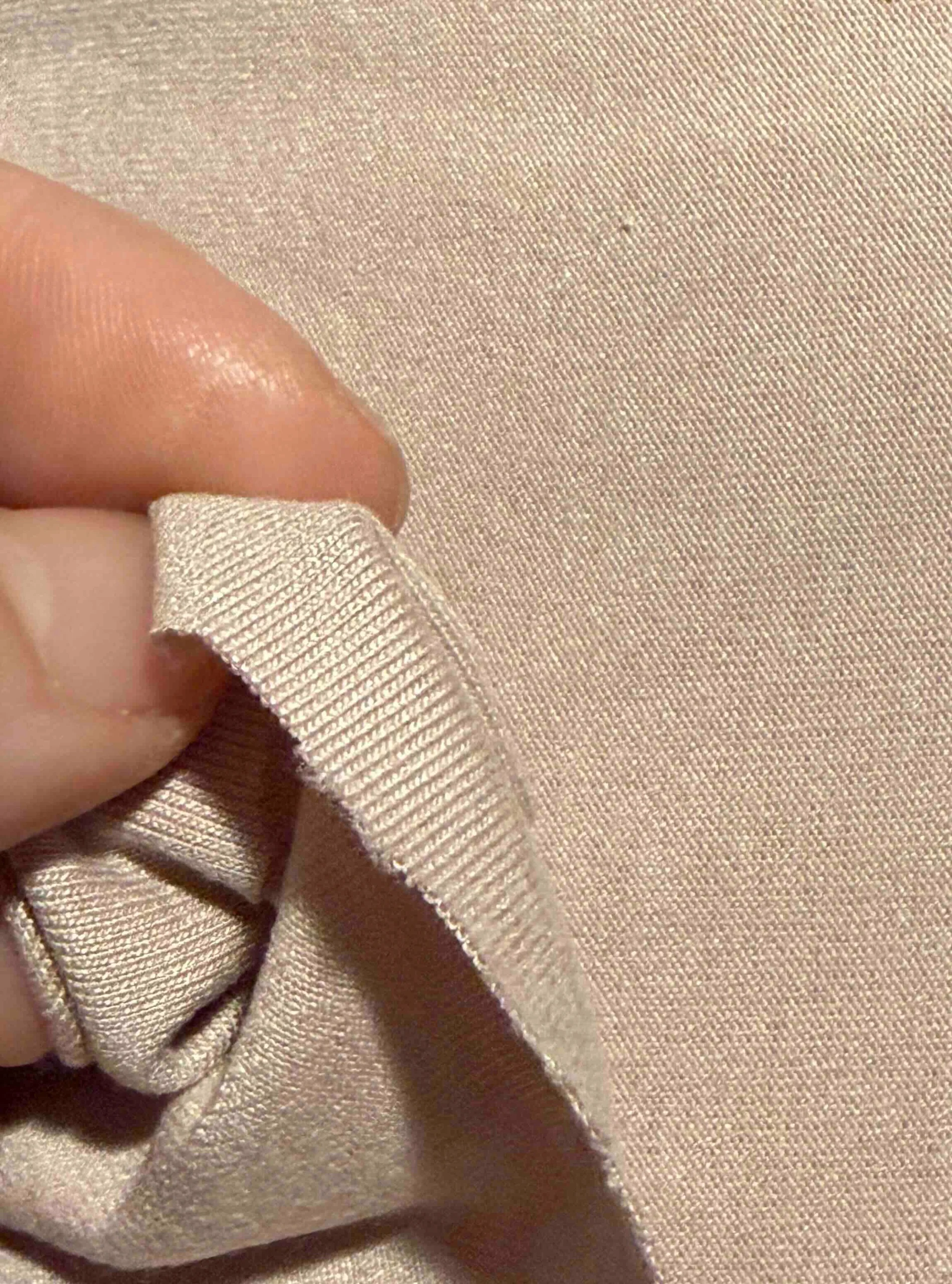
Softest bamboo knit fabric, dusky pink blush
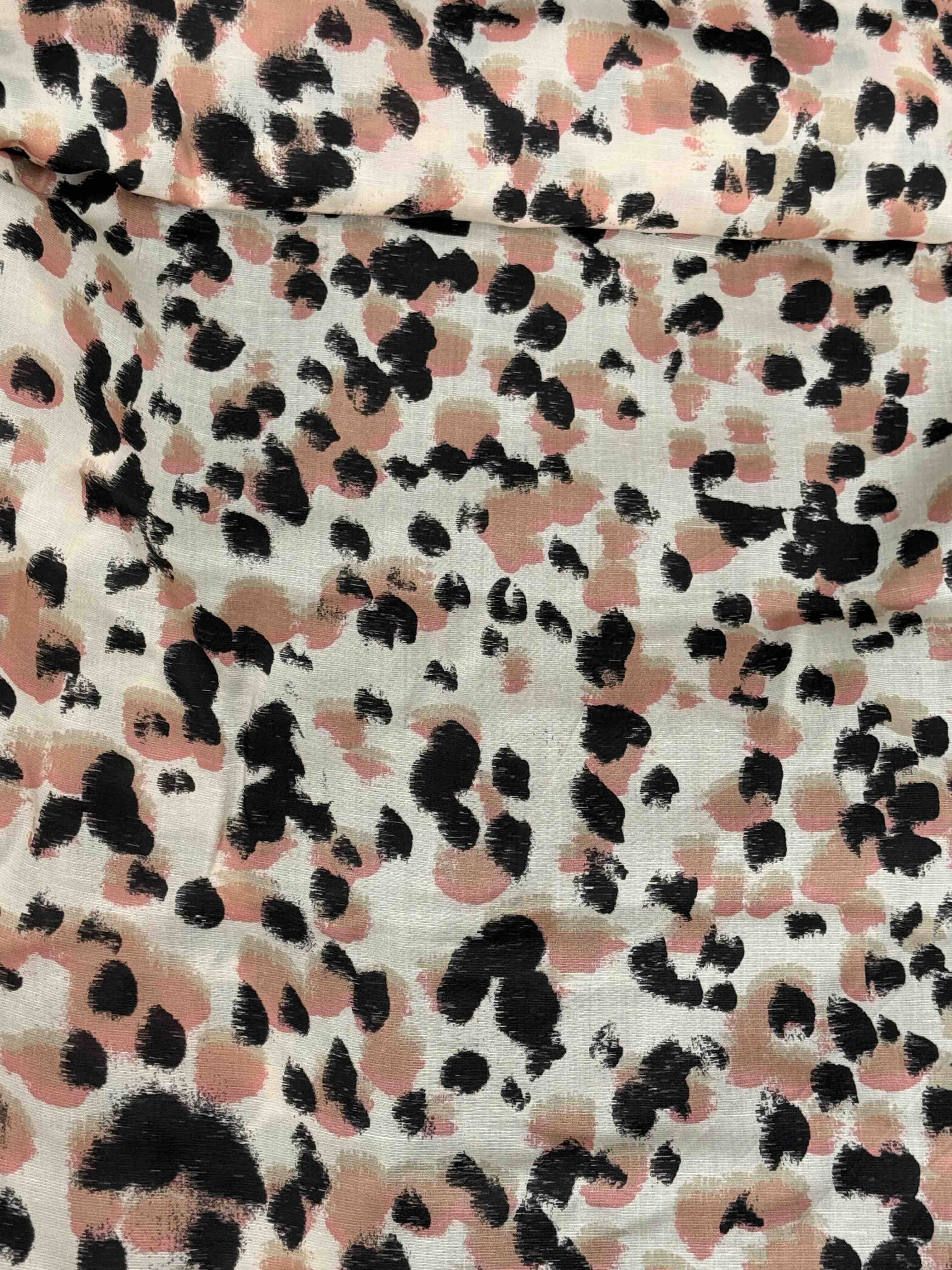
Linen Tencel blend, fabric with an animal style print - black, brown and pink spots on a cream background