SILK, Friend or faux?
October 2, 2026 · 6 min read
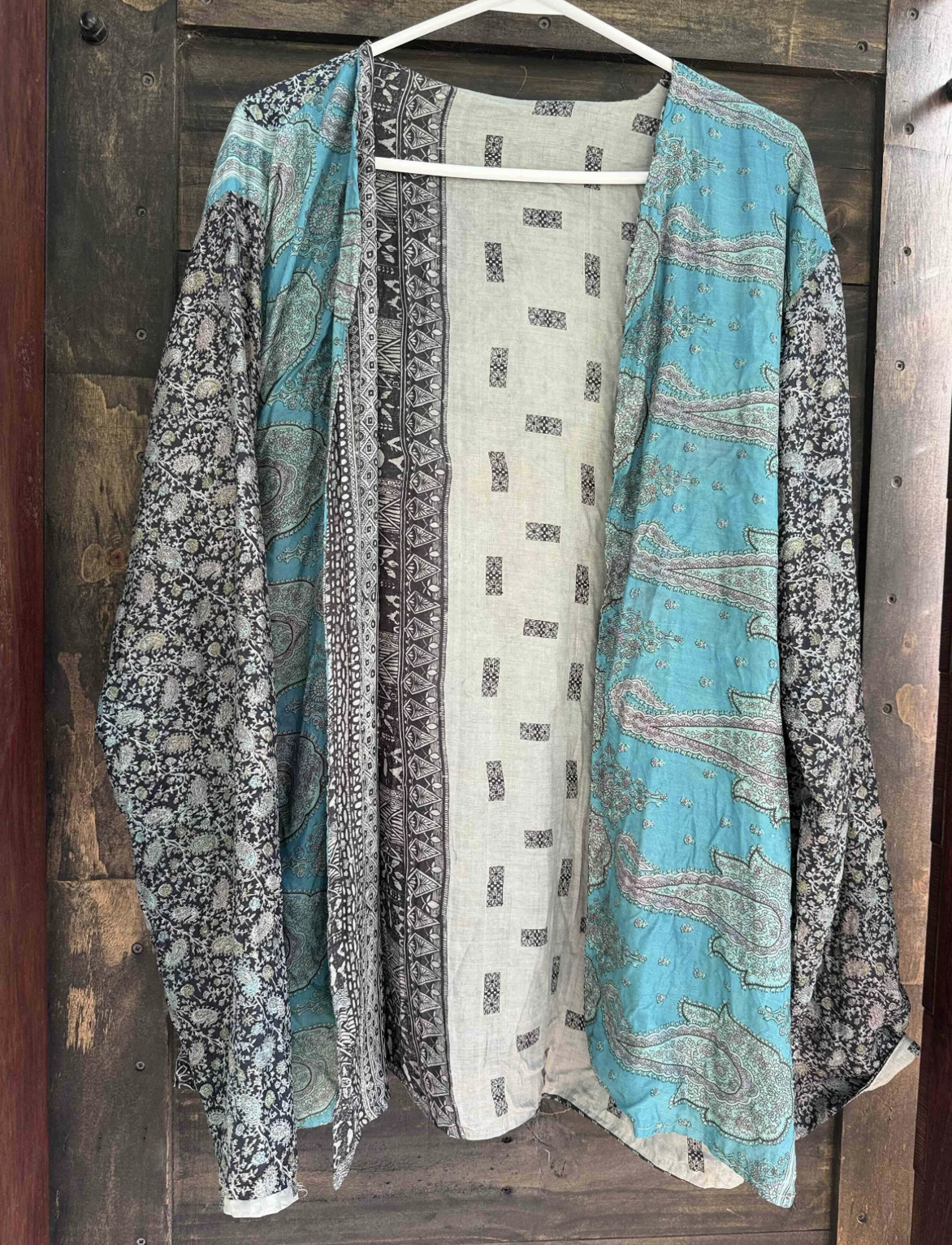
Ok, laugh if you like, but sometimes if you like something, you may just stumble onto it in the most unlikely of places…
A while back a friend and I went to a tiny beach side market run by the local Lion’s club. It is all for a good cause and we have never been. What better motivation to moooove somewhere for the day when assaulted by smells and sounds… especially if your neighbours decided to not only spread chicken manure on Easter Friday, but also wean their calves. 🤣
The Lion’s club market prices were low, so low, that I don’t think anyone made their money back. There were $1 and $2 items in abundance at a time when the fuel for exhibitors to get to the market is hovering around the $3/litre mark. And this after government intervention. That really depressed me for the sake of Aussie mums and dads trying to earn something. Despite the abundance of affordable items, lots of people were looking and not many buying. Spoiler alert, I did found some sewing notions and vintage cutlery that shouted my name and decided to return home with me.
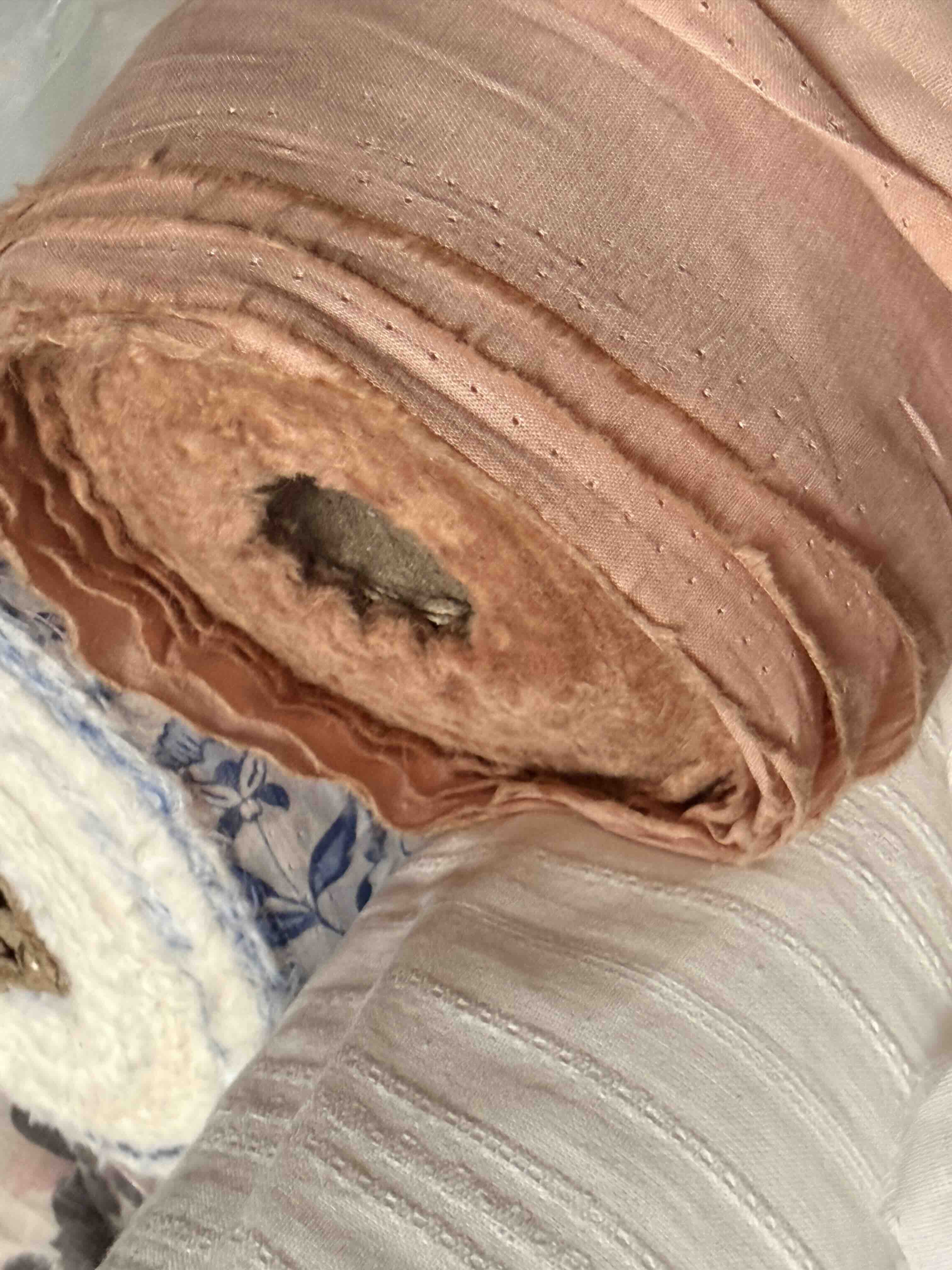
On the way back, at a whim, my friend stopped at a local waste management and recycling centre. Of course I would not stay put and also hopped out to have a sticky beak. Less than 5 minutes later I returned with a healthy haul in my arms. Silk. Literally at the end of the road, before landfill claimed it, it jumped off the rail into my arms. #onelittleweebill
This is typical of what disturbs me deeply. No, not my impulse thrifting, mum! 😂 Our complete inability to distinguish the real deal from plastic, and our lack of understanding of the properties of natural fibres. Perhaps if we understood it, we would be actively seeking alternatives to plastic.
I have, on repeat, every few years reposted a video of a room with legacy furniture (yep, your grandma’s living room) and a modern room (yours, dear reader) set alight, side by side, under controlled circumstances. Textiles played a huge part in this experiment. The difference in the flash over (from the one room into the next) is around 21 minutes. Your grandma had twenty one minutes more than you to save the lives of her babies! You have barely 7 minutes. Sit with that for a moment.
Part of the problem is misinformation, and sadly the other is animal welfare. There are very valid reasons to push for recycling, but it should not be at the expense of natural fibre. There is room for both. Instead of demonising natural fibre, we should push harder for industry change if animal welfare or production methods are not up to scratch.
In a country like Australia where fire is such a large risk for rural communities, we would be negligent if we ignored the benefits of natural fibre, especially that of silk and wool.
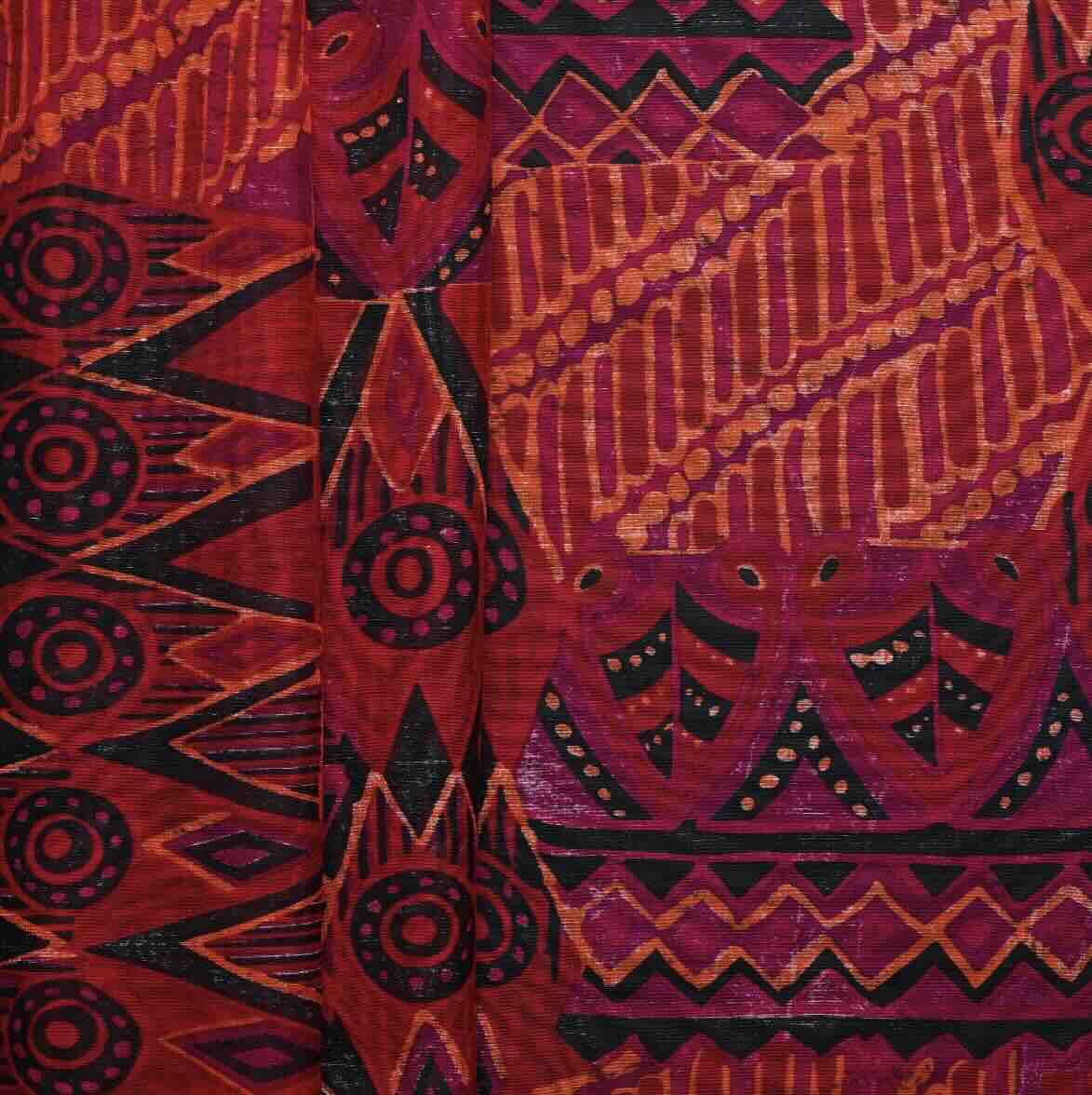
Recently I met a lady whom designed exquisite prints, and then have these printed in Italy for distribution in Europe. “Polyester silk”. Lovely to behold, lovely to touch, but a long term problem for her as she has now accumulated over 10 years worth of sample fabrics that she does not want to see end up in landfill. I have created some shoe bags (for travel) from some of these fabrics and no two are alike. It serves a dual purpose, because not only is it perfect to protect clothing from potentially dirty shoes, but it will most likely have a longer shelf life as a shoe bag, than an item of clothing and thus in theory should stay out of landfill longer. It also helps that it looks much nicer than an ordinary plastic bag and can be washed. Of course, you can use it as a laundry bag, to protect delicates or for any other purpose you can think of. But there the likeness ends.
Polyester is a synthetic petroleum based product. Yes, often it is a recycled fibre… from plastic bottles… and thus supported by some as a viable, sustainable product in stead of silk. But is it really?
Without going into the environmental impact of production, I’ll stick to identification and properties.
When “polyester silk” burns, it forms hard beads that cannot be squished. Please don’t try squishing it until after it has cooled down. It remains very hot to the touch after removing the flame, it is a bead of hot melted plastic after all.
Unlike most other natural fibres, silk, when the flame is removed, stops burning. And it is cool to the touch almost immediately. Silk also appears to form beads, but when you squish it, they crumble easily.
And the smell… polyester fabric burning stinks like burning plastic, but silk smells like burning hair. Neither is exactly appealing, but hey, it is good to know.
You’ll hear things like “silk has a definitive rustle”, not true in all cases, e.g. silk charmeuse is soft and drapes without a distinctive rustle. Neither does soft finely woven silk suitable for undergarments. I mean, whispering underwear would be ultra awkward!
“Silk burns to a soft grey ash”, no, that is likely cotton.
“Polyester is stiffer than silk”, nope, polyester is now so advanced it can even mirror silk charmeuse. The reverse may be true where some silk fabrics may feel slightly coarser than some synthetic silks between your finger tips, but not necessarily on your body.
One little hack I frequently use when making an on the spot decision is to rub the suspected silk between my fingers. A very subtle heat glow is often the first tell tale that perhaps this fabric needs further investigation, or a second chance. Yesterday my fingers did not lie. The jacket was silk and lined with silk. How do I know? I unpicked the jacket and conducted a burn test on the fabric.
On the ethical side of silk production there is a growing industry awareness that silk production could be done better. The issue for producers is the fact that before the moth emerges from the cocoon, it secretes a substance to dissolve the silk to open the cocoon. This damages the original single strand of silk, and thus reduces its value. To overcome this devaluation, the pupae is killed before metamorphosis. Ahimsa (peace/non-violence) silk producers are claiming to address this issue by allowing metamorphosis and the natural lifecycle to be completed.
But why do I harp on silk you may ask? Silk will burn, but when you remove the flame, it will stop burning very soon after. And the beads, will be cool to the touch almost immediately. It poses much less of a fire danger than our average garments and soft furnishings. Friends, I hear you when you say you are uncomfortable and concerned about silk production, and therefore I am not encouraging you to buy new silk. But if it is already in circulation or about to be dumped into landfill, do not let that noble worm’s sacrifice be for nothing. Grab the garment. Wear it, or remake it. It may be one of the most sensible things you ever do.
Happy thrifting! xx
PS: Watch the rooms burning side by sided here https://youtu.be/CTqizMtS4zU?si=XdCJVRf1wK8h7z0H